









)
)
Introduction
Citrix License Activation Service, or Citrix LAS, has become a key licensing topic for IT teams in 2026. As Citrix moves away from traditional file-based activation, administrators must understand how LAS affects License Servers, product compatibility, Citrix Cloud registration, network access and daily operations across on-premises Citrix environments.
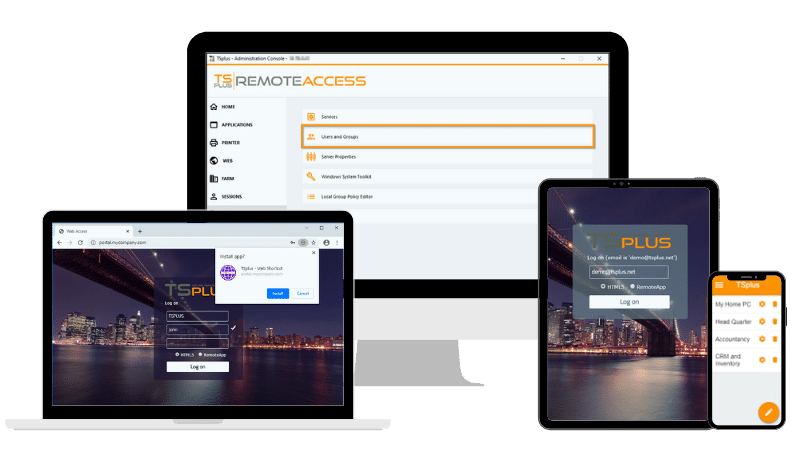
TSplus Remote Access Free Trial
Ultimate Citrix/RDS alternative for desktop/app access. Secure, cost-effective, on-premises/cloud
What Is Citrix LAS?
Citrix LAS, or Citrix License Activation Service, is a cloud-based activation service for supported Citrix on-premises deployments.
Instead of generating, downloading and installing static license files on a local Citrix License Server, administrators register the License Server with Citrix Cloud. The License Server then retrieves and synchronizes license entitlements through LAS.
The Citrix License Server still matters in many on-premises architectures. Citrix LAS does not remove licensing infrastructure entirely. It changes how the License Server receives, validates and maintains entitlement information.
In practical terms, Citrix LAS replaces this legacy workflow:
- Generate a license file.
- Download the file.
- Install it on the Citrix License Server.
- Verify product licensing.
- Repeat during renewals, upgrades or entitlement changes.
With a LAS-based workflow, IT teams instead:
- Upgrade to a LAS-compatible Citrix License Server.
- Register the License Server with Citrix Cloud.
- Synchronize entitlements through Citrix LAS.
- Point compatible Citrix products to the License Server.
- Maintain activation through periodic communication with Citrix Cloud.
This shift reduces manual license file handling, but it also introduces new dependencies that administrators must monitor.
Citrix License Activation Service vs File-Based Licensing
The main difference between Citrix LAS and file-based licensing is the move from manual entitlement files to cloud-connected synchronization.
With file-based licensing, licensing data exists as local files installed on the License Server. When entitlements change, administrators usually need to generate and install updated files. This model can create friction in environments with multiple products, multiple License Servers or frequent renewals.
With Citrix LAS, the License Server is registered with Citrix Cloud. The License Server periodically communicates with the License Activation Service to synchronize entitlements. Administrators still need a working licensing path, but they no longer manage the same license-file process.
The operational trade-off is clear. Citrix LAS reduces manual licensing work, while adding a requirement for correct Citrix Cloud registration and reliable outbound connectivity.
What Changed After April 15, 2026?
The major milestone was April 15, 2026, when Citrix’s traditional file-based licensing system reached end of life for affected on-premises components.
After that date, Citrix LAS became the expected activation method for supported Citrix on-premises products that have moved to the new licensing model. IT teams should not plan future Citrix operations around legacy file-based licensing.
This does not mean every older Citrix deployment necessarily stopped working immediately on April 15, 2026. Real-world behavior can depend on product version, License Server version, license type and whether the environment has been upgraded to LAS-aware components.
However, from a lifecycle and supportability perspective, administrators should treat file-based licensing as deprecated. If a Citrix environment is being upgraded, renewed or standardized in 2026, LAS readiness should be part of the plan.
Which Citrix Products Are Affected by LAS?
Citrix LAS applies across several Citrix on-premises products and components. Exact requirements vary by product, version and licensing model, so administrators should validate every environment against current Citrix documentation.
Affected environments may include:
- Citrix Virtual Apps and Desktops
- Citrix Provisioning
- Workspace Environment Management
- XenServer
- NetScaler
- XenMobile
- Unicon Scout
- uberAgent
IT teams should not assume Citrix LAS is only a Citrix Virtual Apps and Desktops issue. NetScaler, XenServer and other infrastructure components may also require attention.
A proper LAS readiness review should include production, disaster recovery, test and staging systems. Any Citrix component that consumes licenses should be included in the inventory.
How Does Citrix LAS Work?
Citrix LAS works by connecting the on-premises Citrix License Server to Citrix Cloud so product entitlements can be synchronized and activated automatically.
Upgrade the Citrix License Server
The first step is to ensure that the Citrix License Server supports LAS. Older License Server versions may not include the required registration and activation capabilities.
This is a critical dependency. If the License Server is not LAS-compatible, affected products cannot use the new activation model correctly.
Register the License Server with Citrix Cloud
After the License Server is upgraded, administrators register it with Citrix Cloud. This associates the License Server with the correct Citrix Cloud account and organization.
This step matters because entitlements are tied to the Citrix Cloud organization. If the wrong organization is selected, the License Server may not see the expected licenses.
Synchronize License Entitlements
After registration, the License Server communicates with Citrix LAS to retrieve available entitlements. These entitlements are then made available to compatible Citrix products that use that License Server.
This synchronization is one of the biggest operational differences from the legacy model. Instead of installing static files, the License Server maintains activation status through recurring communication with Citrix Cloud.
Point Citrix Products to the License Server
Citrix products still need to be configured to use the correct License Server. Citrix LAS does not remove the need for product-side configuration.
For example, Citrix Virtual Apps and Desktops sites must run LAS-compatible versions and point to the appropriate License Server. NetScaler environments have their own requirements depending on version and licensing model.
Maintain Connectivity
Citrix LAS requires ongoing communication between the License Server and Citrix Cloud. This usually means the License Server must reach required Citrix activation endpoints over outbound HTTPS.
Firewall rules, proxy settings, Domain Name System resolution and TLS inspection policies should be reviewed before relying on Citrix LAS in production.
Technical Requirements IT Teams Should Check
Before or after moving to Citrix LAS, administrators should validate the main dependencies that affect activation, supportability and day-to-day operations.
LAS-Compatible Product Versions
Check every Citrix component that consumes licenses, not only the License Server. Citrix Virtual Apps and Desktops, NetScaler, Citrix Provisioning and other products may each have specific LAS requirements.
Do not assume one upgrade is enough. Citrix LAS readiness depends on the full licensing chain.
Correct Citrix Cloud Organization
Register the License Server with the right Citrix Cloud organization. This is critical for enterprises with multiple Citrix accounts, partners, managed service provider relationships or historical license ownership changes.
Before registration, confirm the tenant, organization ID, administrator permissions and expected entitlements.
Outbound HTTPS Connectivity
The License Server must reach Citrix LAS through outbound HTTPS, usually over port 443. Firewall rules, proxy authentication, DNS resolution, certificate trust and SSL inspection should all be checked before production use.
Document this network path so later security changes do not break activation.
Stable License Server Identity
Citrix LAS may rely on License Server identity details such as hostname, fully qualified domain name, MAC address or virtual machine characteristics.
Before cloning, rebuilding or moving the License Server, document the current configuration and understand the reactivation process.
Monitoring and Alerting
Citrix licensing should be monitored as a production dependency. Track License Server service health, product-to-License Server connectivity, License Server-to-LAS connectivity, last successful synchronization and activation status.
Licensing failures can become user access failures, so LAS checks should be included in standard monitoring.
What Happens If Citrix LAS Connectivity Fails?
A common concern is whether a Citrix environment stops working immediately if the License Server loses access to LAS.
Citrix includes caching behavior to reduce the risk of immediate service disruption. If LAS or the License Server is temporarily unreachable, existing activations may continue for a limited period. However, this should not be treated as a long-term operating model.
If the connectivity issue persists, activations can eventually become invalid. New activations or entitlement updates may also fail while the License Server cannot communicate with LAS.
There are two important connectivity paths to monitor:
- The Citrix License Server must reach the License Activation Service.
- Citrix products must reach the License Server.
If either path fails, licensing behavior may be affected. In practice, Citrix LAS introduces a cloud-linked dependency that should be included in change control, monitoring and disaster recovery planning.
Citrix LAS Migration Checklist
Use the following checklist to assess Citrix LAS readiness in 2026.
Inventory Your Citrix Environment
List every Citrix component that uses licensing, including production, test, staging and disaster recovery environments.
Include Citrix License Servers, NetScaler appliances, XenServer hosts, Citrix Provisioning servers and Workspace Environment Management components. The goal is to identify every system that may depend on Citrix licensing.
Identify Legacy File-Based Licensing
Check whether any environment still relies on traditional license files. Look for installed .lic files, older License Server builds and Citrix products that have not been upgraded for LAS compatibility.
This step helps separate supported LAS-ready systems from legacy environments that may create future risk.
Validate Product Compatibility
Compare each Citrix product version against Citrix’s LAS requirements. Pay close attention to Long Term Service Release cumulative update levels, NetScaler builds and components with separate licensing paths.
Compatibility should be verified before upgrades, renewals or infrastructure changes.
Upgrade the License Server
Upgrade the Citrix License Server to a LAS-compatible version. Back up the existing configuration first and document the rollback plan.
The License Server is central to the migration, so treat this step as a controlled infrastructure change.
Confirm Citrix Cloud Entitlements
Before registration, verify that the correct Citrix Cloud organization contains the expected entitlements. This avoids confusion after the License Server is registered.
For larger organizations, confirm account ownership and administrator permissions before the maintenance window.
Prepare Network Access
Confirm outbound HTTPS connectivity from the License Server to Citrix Cloud. Review firewall, proxy, DNS and certificate trust requirements.
Network teams should document the required path so future proxy or firewall changes do not break activation.
Register the License Server
Register the License Server with Citrix Cloud and verify that it appears correctly in the relevant Citrix Cloud organization.
After registration, confirm that the License Server can synchronize entitlements without errors.
Confirm Activation
Check that entitlements appear correctly and that Citrix products activate through the registered License Server.
This validation should include production and non-production systems that rely on the same licensing path.
Monitor the Environment
Add LAS-related checks to the monitoring system. Do not rely on manual verification after migration.
Monitoring should include local License Server health, entitlement synchronization and network access to Citrix Cloud.
Update Internal Documentation
Revise runbooks to reflect the new LAS operating model. Remove outdated procedures that refer only to license file generation and manual installation.
Documentation should include registration steps, troubleshooting procedures and escalation paths.
Common Citrix LAS Issues
Citrix LAS issues often come from version gaps, registration mistakes or blocked connectivity. The following scenarios are the most common areas to check first.
Entitlements Do Not Appear
Missing entitlements often point to a Citrix Cloud organization mismatch or entitlement visibility issue.
Confirm that the License Server is registered to the correct organization. Then verify that the expected licenses exist in that account and that the administrator has the right permissions.
Products Cannot Activate
Product activation failures may come from product version compatibility, License Server version, product configuration or network connectivity.
A LAS-compatible License Server alone is not enough. The Citrix product consuming the license must also support the required LAS activation model.
Registration Fails
Registration failures are commonly linked to permissions, proxy configuration, blocked outbound traffic, DNS issues or TLS inspection.
Start by validating administrator permissions and outbound HTTPS access. Then review proxy authentication, certificate trust and security tools that may interfere with registration.
License Server Shows Connectivity Problems
Connectivity warnings should be treated as production alerts. Review firewall changes, proxy authentication, certificate trust and Citrix Licensing services.
Also check whether endpoint security tools are blocking communication between the License Server and Citrix Cloud.
Activation Changes After VM Updates
If the License Server is cloned, renamed or significantly changed, Citrix LAS may treat it as a different system.
Plan virtual machine changes carefully. Document the current License Server identity and the reactivation process before rebuilds, migrations or disaster recovery tests.
Should Citrix LAS Trigger a Broader Architecture Review?
For many IT teams, Citrix LAS is more than a licensing update. It is an opportunity to reassess the complexity of the wider Citrix environment.
If your organization already has mature Citrix operations, current supported versions, documented firewall policies, strong Citrix Cloud governance and reliable monitoring, LAS may become part of standard operations.
However, if your team mainly uses Citrix to publish a limited set of Windows applications or desktops for remote access, the 2026 licensing shift may raise a broader question: is the current Citrix stack still proportionate to your needs?
Citrix remains a powerful platform for complex enterprise environments. It also requires specialized expertise, infrastructure planning, licensing knowledge and ongoing maintenance. For smaller IT teams, managed service providers or organizations looking to simplify remote access, this may be the right moment to compare alternatives.
How TSplus Remote Access Helps Simplify App Delivery?
TSplus Remote Access helps organizations publish Windows applications and desktops securely without the complexity of a full Citrix stack. For IT teams reviewing licensing, infrastructure and cost after the LAS transition, TSplus provides browser access, centralized administration and practical security options suited to SMBs, MSPs and lean IT departments.
Conclusion
Citrix LAS changes how IT teams manage Citrix licensing in 2026. By replacing file-based activation with cloud-connected entitlement synchronization, LAS affects version planning, License Server registration, outbound connectivity and monitoring. Administrators should validate compatibility, document dependencies and decide whether their current Citrix architecture still matches operational needs.
TSplus Remote Access Free Trial
Ultimate Citrix/RDS alternative for desktop/app access. Secure, cost-effective, on-premises/cloud
)
)
)
